Customer Story
How Warby Parker continues to regenerate the technology capability behind its next era of growth | Avion Advisors
results
$54.05
Debut
IPO exit and post-IPO digital transformation; debut of $54.05 - 30% above projected price
Warby Parker evolved from a digitally native eyewear company into a vertically integrated omnichannel platform spanning ecommerce, physical retail, eye care, and increasingly sophisticated digital experiences.
As the company approached and moved through its 2021 direct listing, technology reliability became an enterprise operating requirement. Ecommerce services, stores, engineering teams, and customer-facing systems had to function as a coordinated platform capable of supporting continued growth.
Avion worked across cloud infrastructure, DevOps, release engineering, site reliability, observability, and incident learning to strengthen the technology capability underneath that expansion.
The central question has remained consistent even as the company has evolved:
How can technology continue moving forward without allowing complexity and technical debt to increase fragility?
Avion’s work strengthened the operating environment across cloud services, delivery workflows, service dependencies, observability, incident response, and organizational ownership.
The resulting architecture incorporated cloud-native infrastructure, Kubernetes and microservices, infrastructure as code, production-grade CI/CD, service ownership, service-level objectives, error budgets, observability, and recurring incident-learning practices.
"Reliability becomes regenerative when every new stage of growth leaves the technology organization better equipped for the stage that follows.”
The objective was never a single infrastructure modernization. It was to help reliability, visibility, and operating discipline become institutional properties the organization could continue building upon.
That capability foundation now supports a very different phase of innovation.
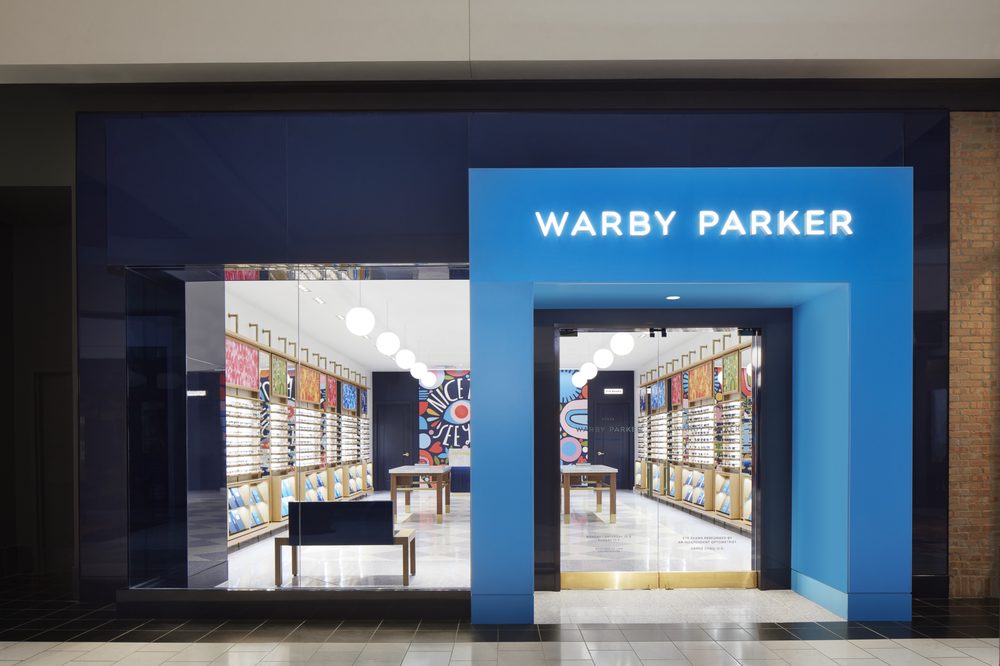
Warby Parker has expanded beyond its original ecommerce model to more than 300 stores across the U.S. and Canada, while continuing to develop new products and technology-enabled customer experiences. (investors.warbyparker.com)
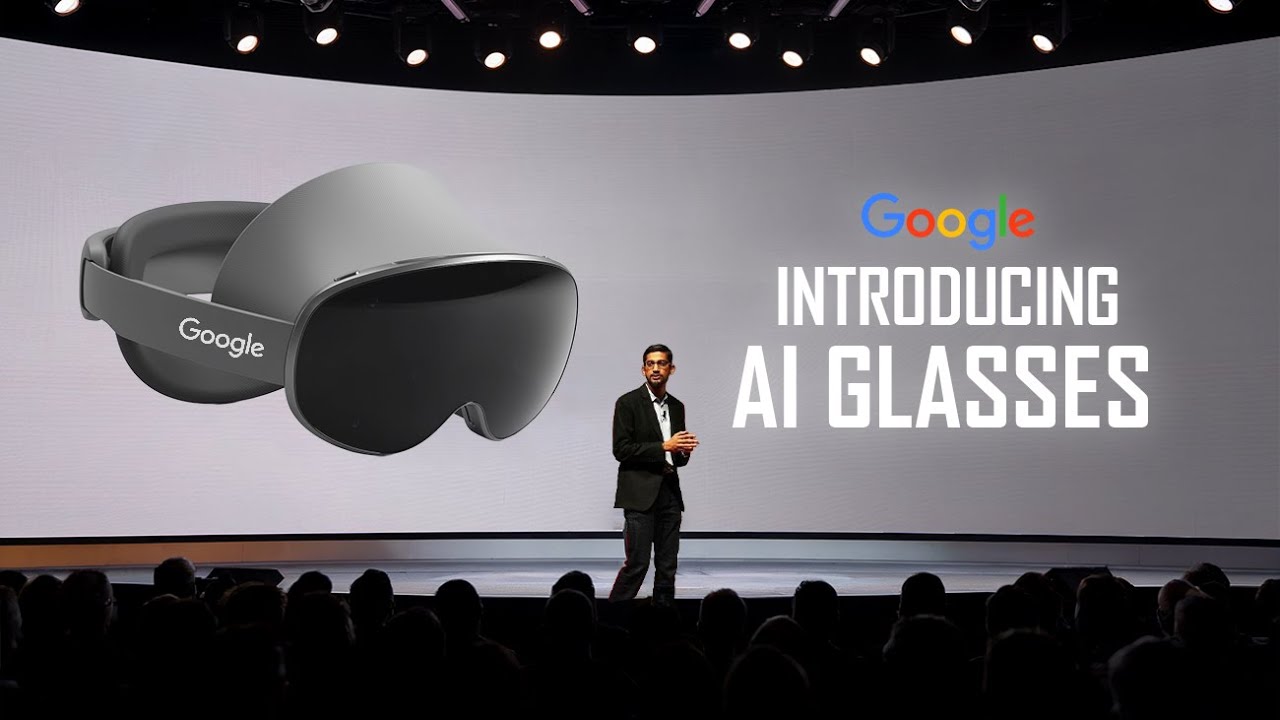
In 2025, the company introduced Advisor, an AI-powered experience that uses facial measurements and style preferences to generate tailored frame recommendations. Warby Parker also announced a partnership with Google and Samsung to develop next-generation intelligent eyewear for all-day use. (Warby Parker)
In 2026, Warby Parker described preparation for the intelligent-eyewear launch as a top priority and said it was actively building the capabilities required to support the product. (investors.warbyparker.com) Google has announced that the new Warby Parker frames are expected in fall 2026 as part of its Gemini-enabled intelligent-eyewear platform. (blog.google)
The transformation now spans:
The durable capability is not any single technology generation. It is Warby Parker’s ability to repeatedly absorb new complexity, develop new products, and evolve its operating system as the definition of eyewear itself changes.
For Avion, this is Regenerative Innovation in practice: each phase of innovation creates not only a new product or channel, but additional knowledge, infrastructure, organizational capability, and optionality for the next.
Sovereignty gained: Greater technological control, product optionality, operating resilience, and capacity to enter emerging categories.
Capability regenerated: Infrastructure knowledge, engineering discipline, customer intelligence, service ownership, and innovation capacity.