Customer Story
How a high-growth marketplace built the proprietary operating capability for global scale | Avion Advisors
results
$100M
Seed
Seed and Series A Fundraise supporting product, content, and platform development

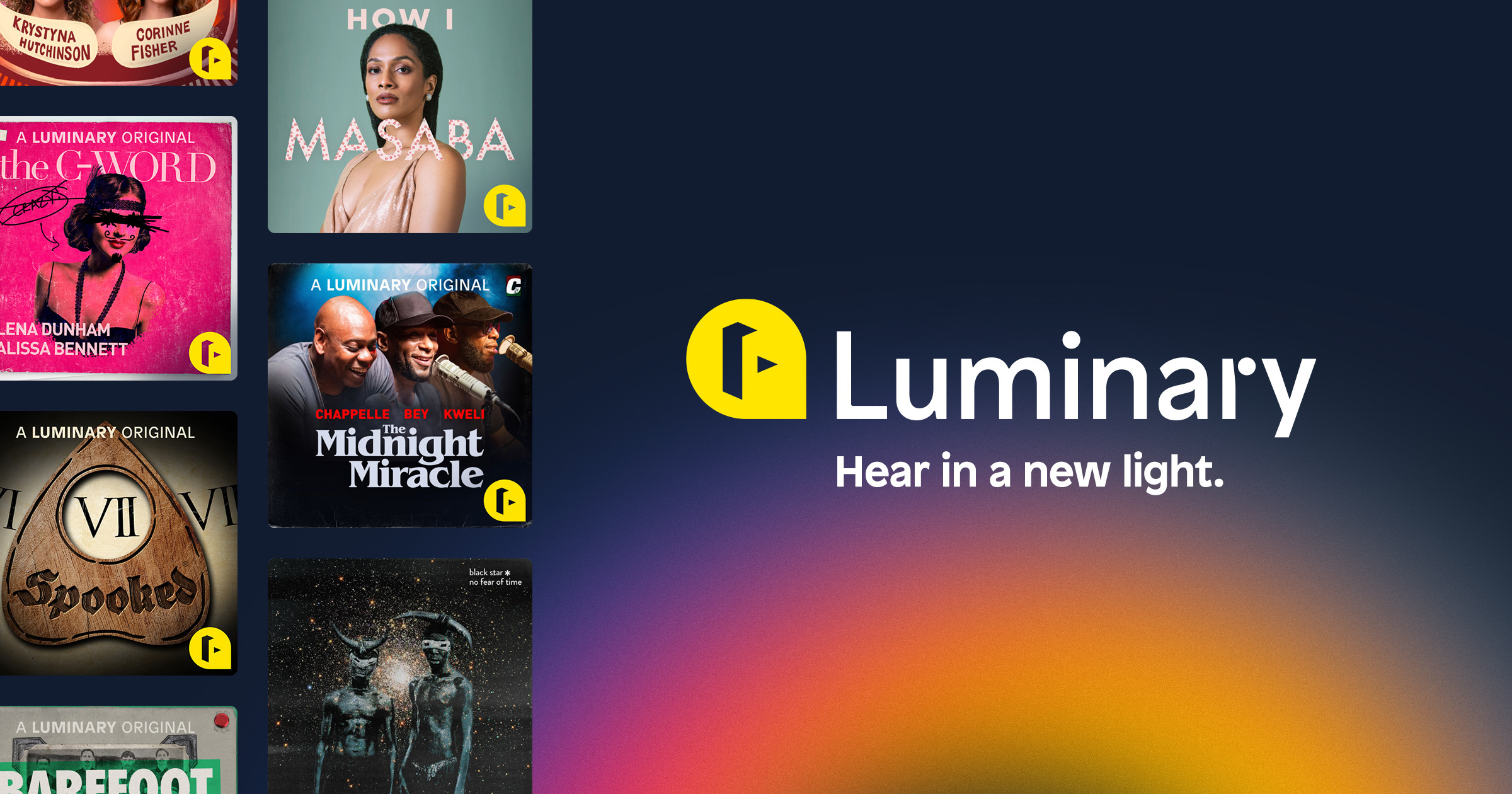
Luminary entered a podcast market built largely around advertising and open distribution. The opportunity was to create a premium subscription model in which listeners paid directly for differentiated content while creators gained new economics, distribution, and audience intelligence.
Avion supported the company from early market discovery through venture design, fundraising, product architecture, engineering, and commercialization. The work examined customer behavior, willingness to pay, content economics, competitive positioning, product requirements, and the capital needed to launch and scale.
The resulting thesis positioned Luminary as more than a media application. It was designed as an integrated company connecting premium content, proprietary technology, subscriber relationships, creator economics, and recurring revenue.
A direct-to-consumer media company depends on several capabilities developing together. Content acquisition must work with pricing. Product discovery must work with retention. Data must inform both customer experience and creator decisions. Technology must support the economics of the business rather than sit beside them.
Avion translated the investment thesis into a future-state company architecture spanning web, desktop, and mobile products, subscriptions and payments, content ingestion, analytics, personalization, engineering organization, infrastructure, and fundraising materials.
"A media platform becomes more resilient when the customer relationship, technology, data, and economics reinforce one another.”
Following the capital raise, Avion supported product development, launch, engineering-team growth, platform infrastructure, content workflows, and operating continuity. The engagement continued for more than three years, moving well beyond strategy into sustained implementation.

The durable capability created was not the funding itself. It was Luminary’s ability to acquire paying listeners, manage premium content, operate proprietary technology, analyze engagement, and continue developing its platform around a direct customer relationship.
The work connected several capabilities that had to mature together:
Contemporary reporting described Luminary as having raised approximately $100 million in total funding. The company also developed a scaled engineering organization, while Avion supported platform infrastructure through a multi-year growth period.
For Avion, this is Regenerative Innovation in practice: capital activated a business model, but the deeper outcome was the creation of technology, customer intelligence, engineering knowledge, and operating capability that the company could continue to build upon.
Sovereignty gained: Greater economic optionality, direct customer access, and control over the product experience.
Capability regenerated: Customer intelligence, engineering knowledge, content operations, and subscription economics.