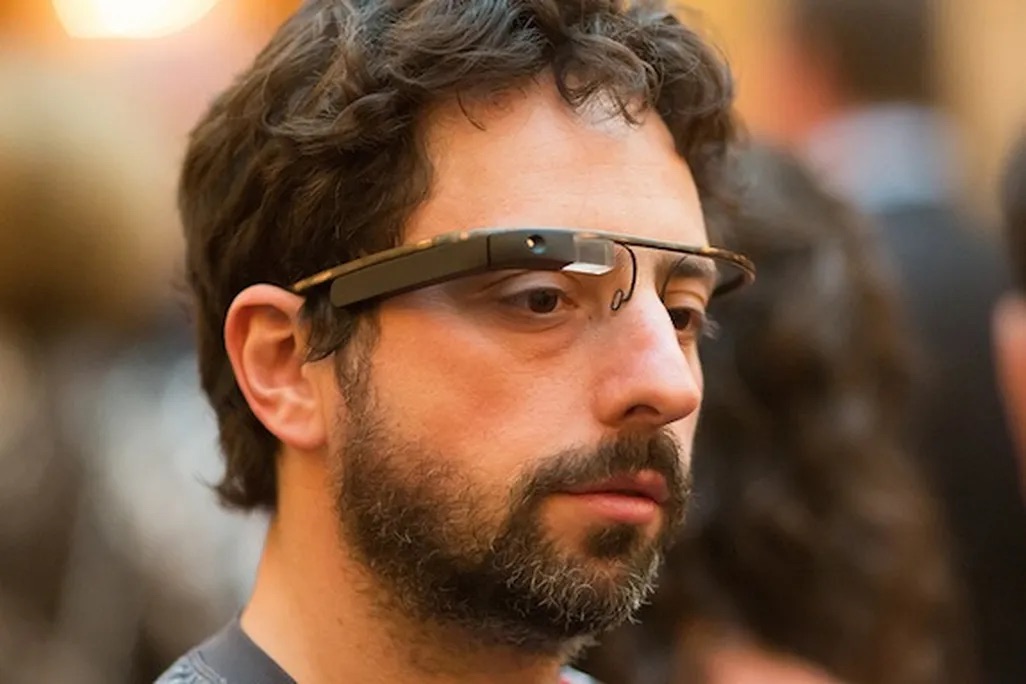
Glasses are powerful precisely because they are ordinary.
They correct vision, express identity and remain on the face for hours without demanding continuous attention. That makes eyewear a compelling interface for artificial intelligence—and an unusually difficult one to design well.
The challenge is not simply fitting more technology inside a frame.
An intelligent pair of glasses still needs to fit different faces, accommodate prescriptions, remain comfortable, manage heat and battery life, survive daily wear and behave in ways that people around the wearer understand and trust.
At the same time, it must sense context, interpret information, communicate with other devices and deliver assistance without becoming another screen competing for attention.
This changes the governing question.
Not: What features can we add to glasses?
But: What system must exist for glasses to become an intelligent interface people will actually wear?
Traditional eyewear concentrates much of its value inside the physical product and the service surrounding its purchase.
Intelligent eyewear changes that architecture.
The frame may contain cameras, microphones, speakers, processors and sensors. Its intelligence may depend on AI models and cloud infrastructure. Its usefulness may increase through applications, mobile devices and continuous software updates. Prescription fitting, customer support, privacy, permissions and physical distribution remain part of the experience.
No single component defines the product.
The innovation lies in how the components work together.
Warby Parker's forthcoming Intelligent Eyewear, developed with Google and Samsung, makes this architecture visible. Warby Parker contributes eyewear design, prescription expertise, fit knowledge, customer relationships and a physical vision-care network. Google contributes Gemini and its software ecosystem. Samsung contributes hardware engineering and connected-device capability.
The familiar object becomes the interface through which an entire capability system operates.
"The competitive unit is no longer the frame. It is the capability architecture that makes the frame wearable, intelligent, trusted, serviceable and able to improve.”
That distinction matters far beyond eyewear.
As products become connected, intelligent and adaptive, competitive advantage moves outward from the object itself. The physical product remains essential, but increasingly depends on the intelligence, infrastructure, relationships and operating capabilities surrounding it.
.png)
A product becomes a system when its performance depends on coordinated capabilities—and when learning from its use can improve what comes next.
For intelligent eyewear, that means organizations must think beyond launch specifications and ask how the broader architecture will evolve.
Four capabilities become especially important:
This is also where interdependence becomes strategic.
Few organizations should attempt to own every capability required by an intelligent product. Partnerships can dramatically expand what a system can do.
But greater interconnection creates a corresponding question: which capabilities determine the customer relationship and future agency, and therefore need to remain owned, controlled or regenerating within the institution?
That is the sovereignty question inside the product-system transition.
The next interface will not be won by the strongest frame, processor or AI model in isolation.
It will be shaped by organizations capable of orchestrating the entire system—and becoming more capable every time that system is used.
Ready to architect what comes after the product?
Avion Advisors works with companies, investors and institutions through Systems Design, Capital Allocation and Sovereign Innovation to build the capability architectures behind the next generation of intelligent systems.